
CNFans Spreadsheet Markdown: a low price usually comes with its reason written on the listing
Understand why an item is reduced, record what you accept, and check the actual piece before paying to send it home.
Checked 21 October 2026: cnfans.com still shows a maintenance notice and names no reopening date. The notice gives persistent cyberattacks as the reason and asks anyone with an order question to email [email protected].
Browse the Spreadsheet by category
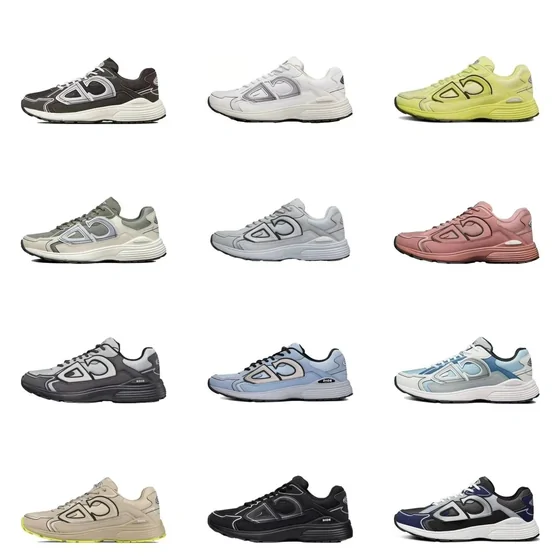
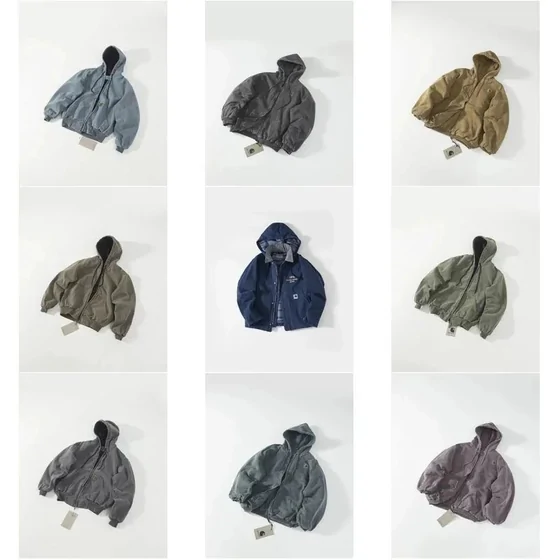
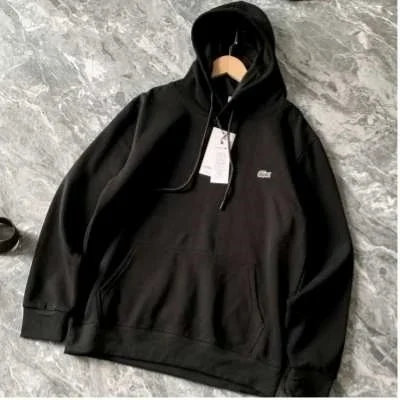
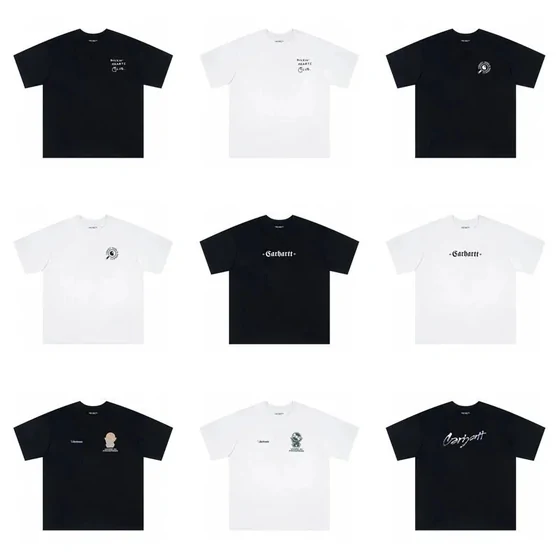
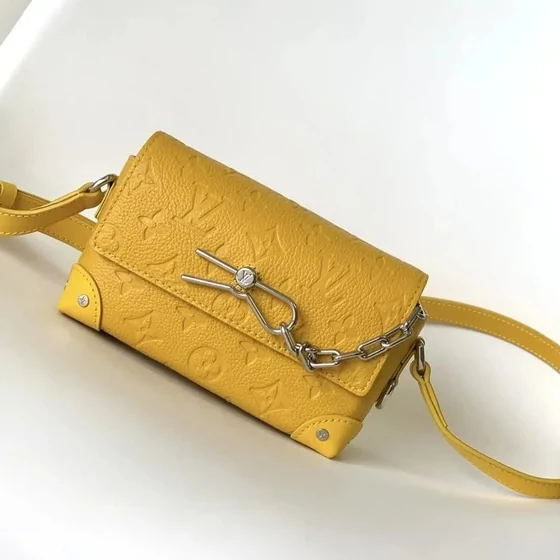
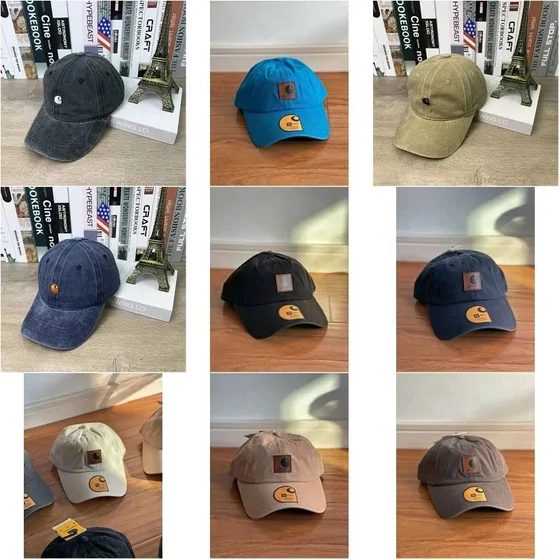
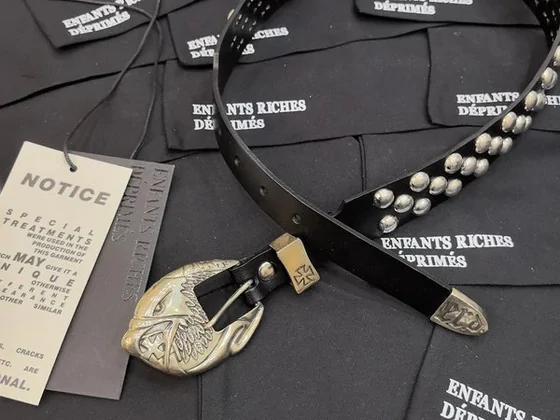
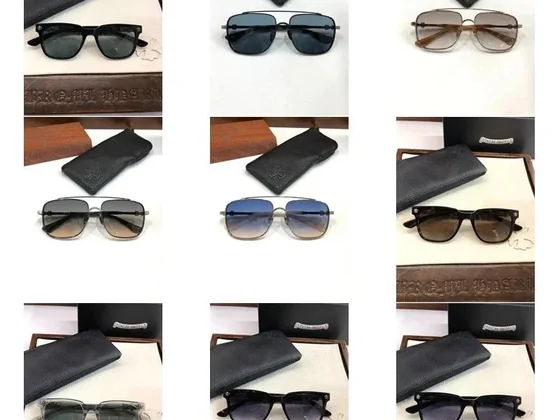
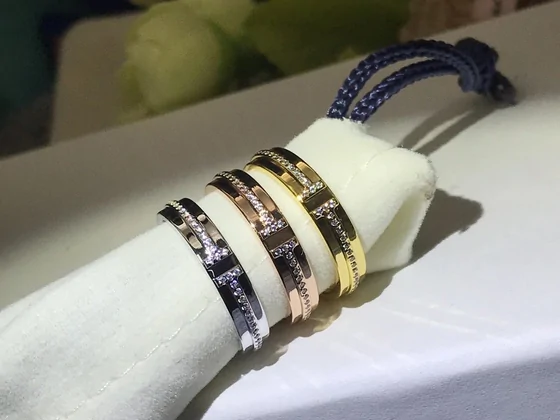
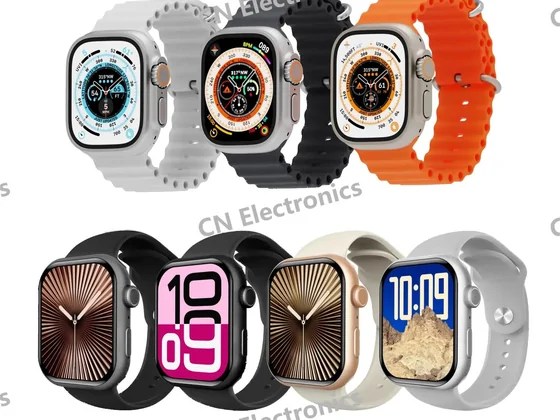
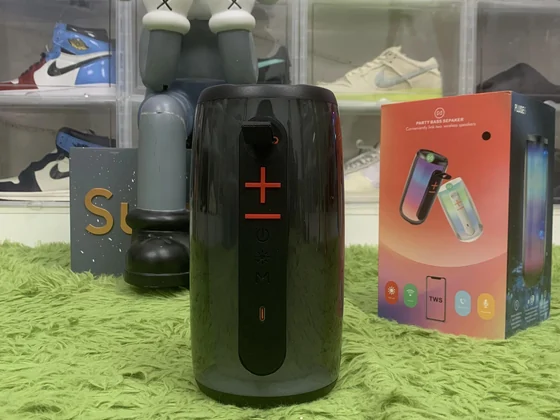
Choose a category, then inspect the actual listing. These photographs identify the shelves; they do not guarantee stock, price or whether an agent can ship an item.
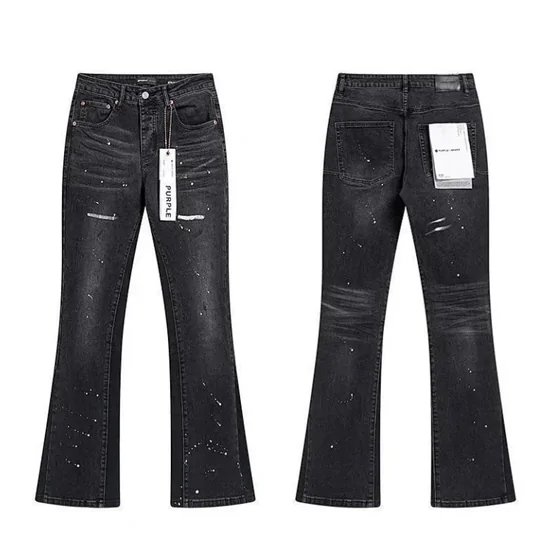
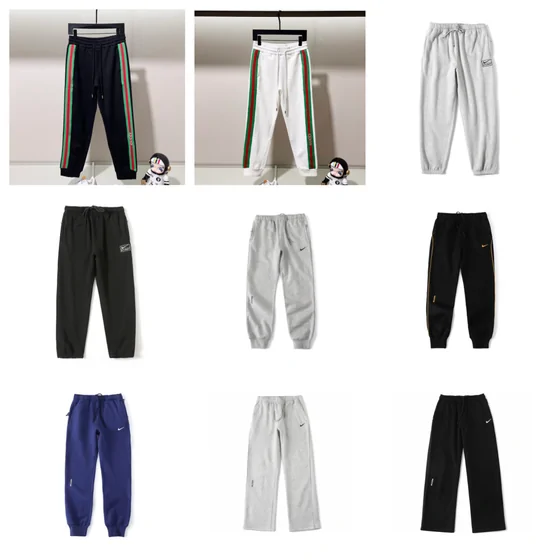
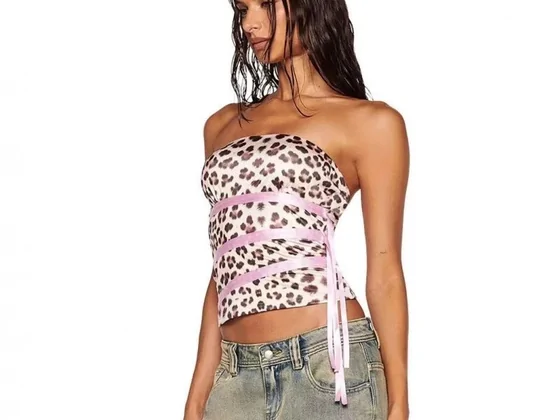
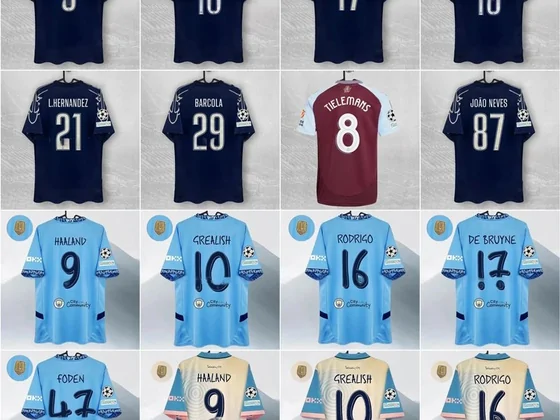

Place a markdown label on the condition scale
Pick the word used by the listing. The scale is an editorial reading aid, not a verified condition grade or a statement about a particular unit. The cards explain what to check, which photos may help and what remains uncertain before purchase or shipment.
瑕疵 · Flawed
Usually sits at: A named fault, often a single piece
What usually differs
A specific fault the seller admits to: a mark, a pulled thread, a misprint, a seam that wanders, a pinhole. The rest of the piece is usually new. Some listings point to the spot; plenty only say that a fault exists.
What the CNFans defect check tends to do
Compare the named fault and selected condition with photos linked to your order. Ask for the affected area and any other known damage. Disclosure does not automatically settle every remedy or show that the warehouse inspected the specific spot.
Photos that show it
Request a close-up with a ruler or another clear scale and a wider image locating the same spot. A flat lay can reveal some faults and hide others; ask for the view that answers the specific concern.
Questions before you pay
Where exactly is the fault, and how large? Is it the only one? Is the photo of this unit or of a similar one? Will it wash out, or is it permanent?
All nine labels in one table
| Label | Where it usually sits | Photos that show it |
|---|---|---|
| 瑕疵 Flawed | A named fault, often a single piece | Request a close-up with a ruler and a wider image locating the same area. A flat lay may reveal some faults and conceal others. |
| 断码 Broken size run | New, sizes thinning out | The size label in close-up and a tape laid across chest and length. The listing size chart only helps if it was drawn up for this exact cut. |
| 样衣 Sample garment | Handled: shot, tried on or shown, up to: A named fault, often a single piece | Shots of this unit rather than the catalogue images: the inside of collar and cuffs, the care label (samples often lack one) and the main seams. |
| 展示品 Display piece | Handled: shot, tried on or shown | Daylight photos of front and back side by side (fading shows as a difference between them), the neckline laid flat, and close-ups where pins or security tags went. |
| 陈列品 Shop-floor stock | New, wrapping or tags disturbed, up to: Handled: shot, tried on or shown | Close-ups of collar, underarms and cuffs, a shot of the tags (all still attached?) and one of the packaging. |
| 包装破损 Damaged packaging | New, wrapping or tags disturbed | One photo of the packaging and one of the item out of it. A photo of the box alone says nothing about what is inside. |
| 清仓 Clearance | New, sizes thinning out, up to: New, wrapping or tags disturbed | A photo of the exact colour and style you are picking from the option menu, because mixed pages sometimes reuse one image across several options. |
| 库存 Older stock | New, every size still there, up to: New, wrapping or tags disturbed | Request the specific visible area in consistent lighting. Ask whether a physical check is available; a photo alone does not measure smell or elastic recovery. |
| 孤品 Last piece | New, sizes thinning out, up to: Handled: shot, tried on or shown | Photos of this exact unit, not the catalogue images, with the size label readable. |
How to use the tool: choose one label only, even when a listing stacks two (清仓 and 断码 often travel together); run each word separately and read the narrower band as the likelier one. Nothing you pick is stored or sent anywhere.
A complete guide for the purchase and the parcel
A reduced item can be good value without being new and flawless. The useful distinction is between a condition you knowingly accepted and a different problem discovered later. Keep the seller’s description with the order so the warehouse check has a concrete reference, then consider the full delivered cost.
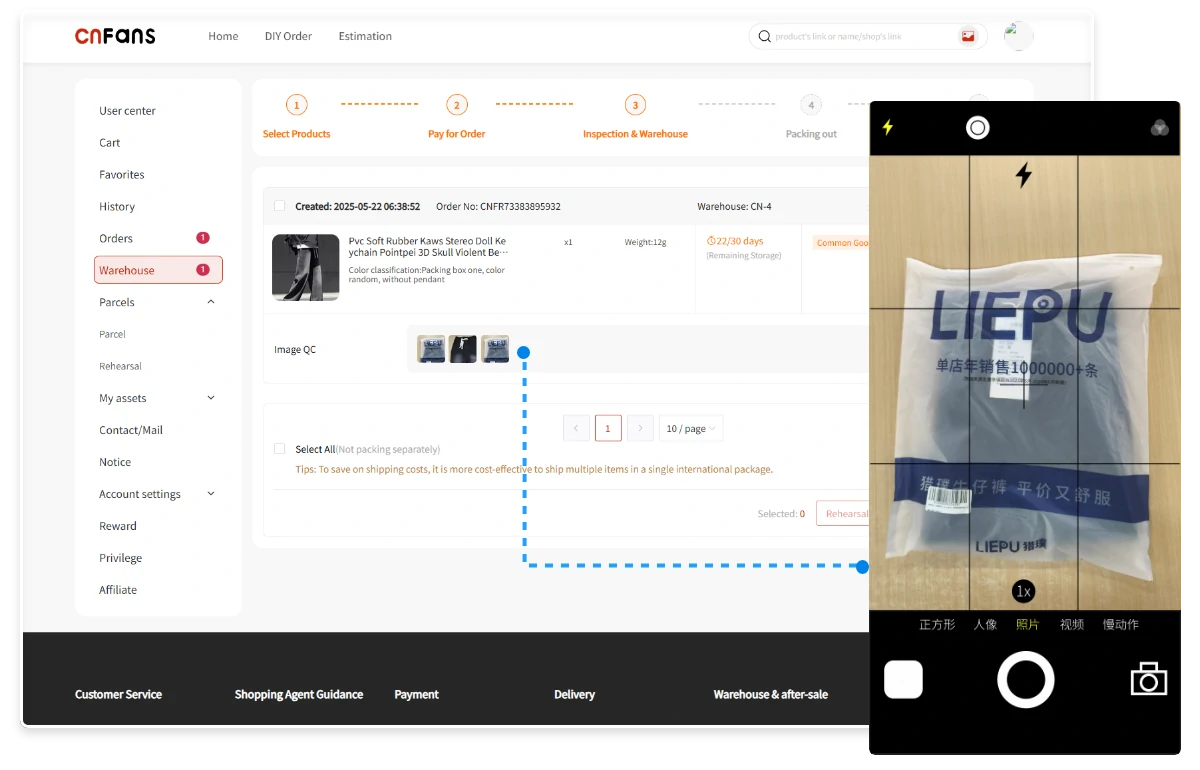
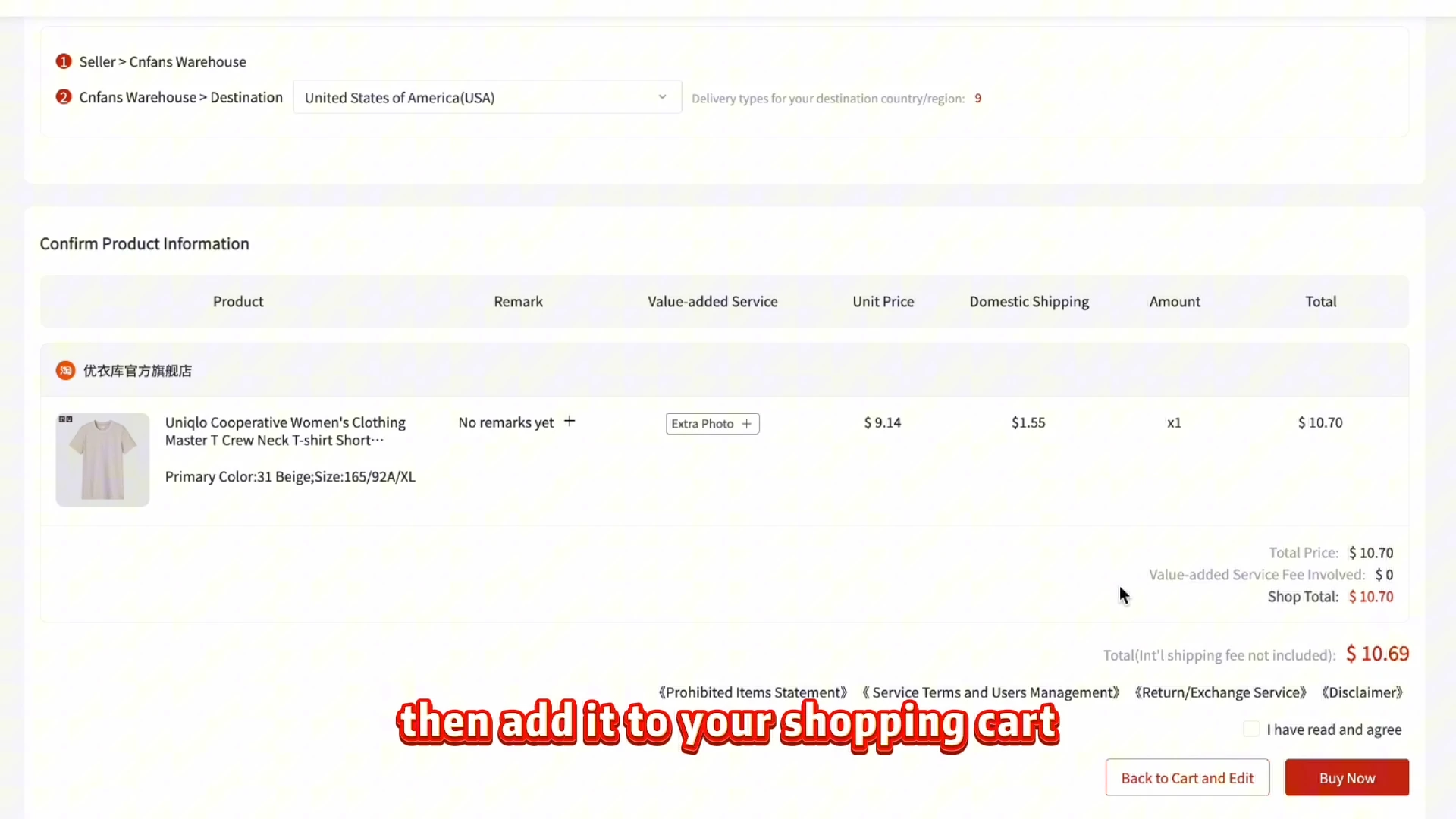
Nine steps follow the documented official order: purchase, warehouse, then international shipping. Historical screenshots and the tutorial video explain the workflow without implying that checkout is available during maintenance.
A reduced listing still needs a complete buying decision
A CNFans Spreadsheet organizes product links; it does not sell or inspect the item pictured on a card. The seller listing should explain whether a reduction concerns a flaw, a sample, packaging, old stock or simply a remaining size. Save that explanation with the exact variant you choose.
CNFans is the agent that purchases the chosen goods and receives them in China when its service is available. The warehouse stage gives you a chance to compare visible condition with the agreement before requesting international shipment. Include both the purchase and the later freight quote when deciding whether a markdown is worthwhile.
What this Spreadsheet helps you decide
The condition scale sorts reasons for a markdown; it cannot rate an individual seller or approve an item. The specialist pages help you ask about flaws, samples, displays and clearance stock. This guide connects those questions with the purchase stages.
- Ask about a disclosed flaw
- Understand sample garments
- Separate packaging and product damage
- Compare the condition in QC
Current listing details and order messages take priority over an old screenshot. Use the detailed guide and help pages for costs, QC questions, shipping and the decisions that need a response from the agent. Help and questions.