
Checked 19 October 2026
The catalog shelves, with a note on the markdown label each one draws
Browse by category, open a listing, then read it for the reason it is cheap. These are the shelves to start from.
What a catalog card holds, and what it leaves to the listing
A Spreadsheet in this sense is a product catalog: cards for individual finds, sorted onto shelves so you can browse by category. A card carries a photo, a short English title and a price range, and it opens the original listing on a Chinese marketplace. It does not carry the reason a listing is cheap, because that reason lives in the Chinese title, the option menu and the detail images.
Browse the category directory for a product type, then read the selected listing for its condition and any markdown explanation. The category notes are prompts for inspection, not measured frequencies of defects or labels.
Browse the Spreadsheet by category
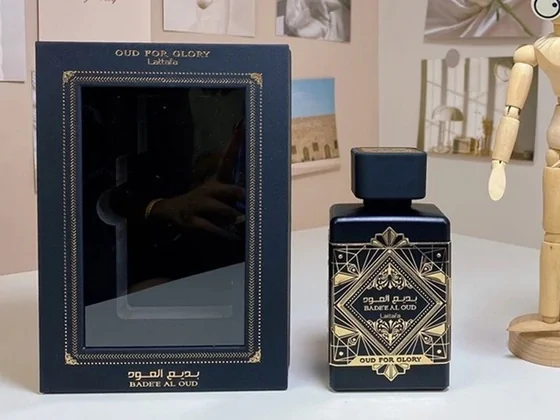
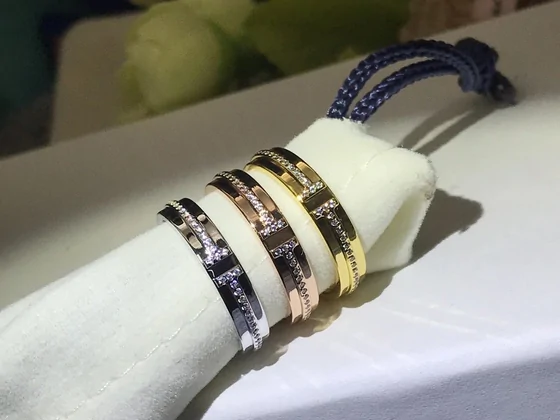
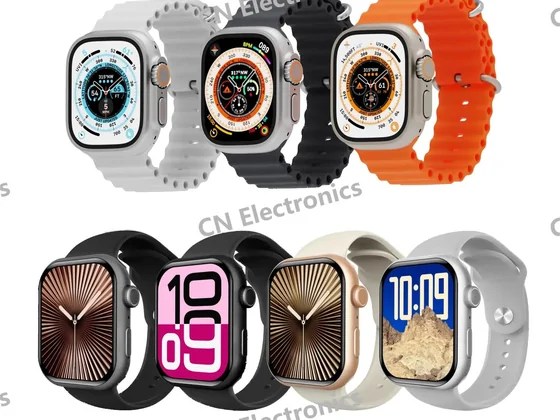
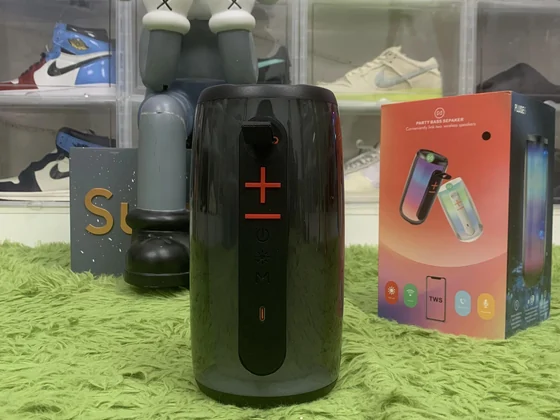
Choose a category, then inspect the actual listing. These photographs identify the shelves; they do not guarantee stock, price or whether an agent can ship an item.
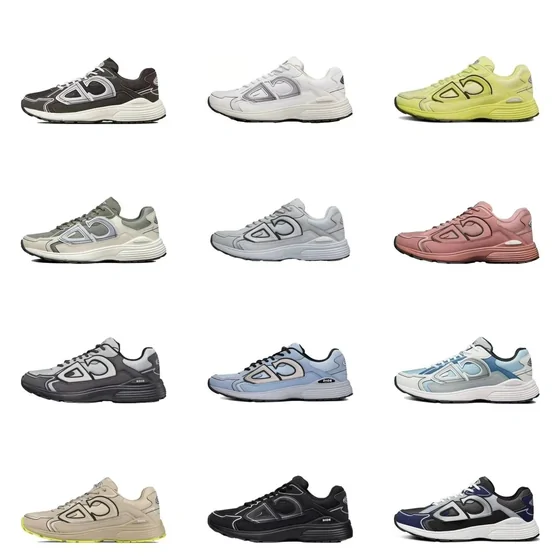
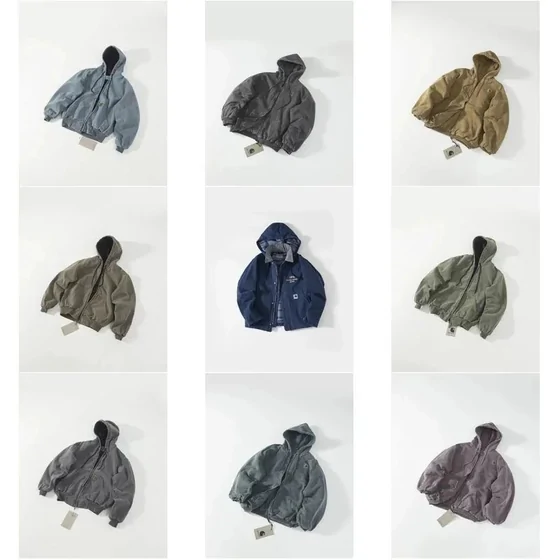
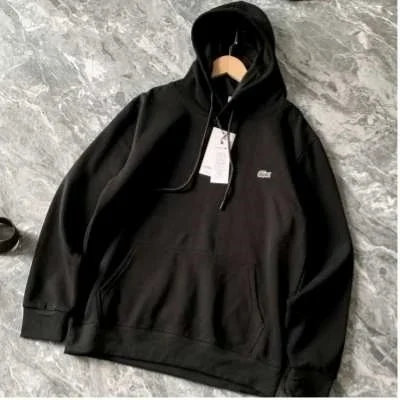
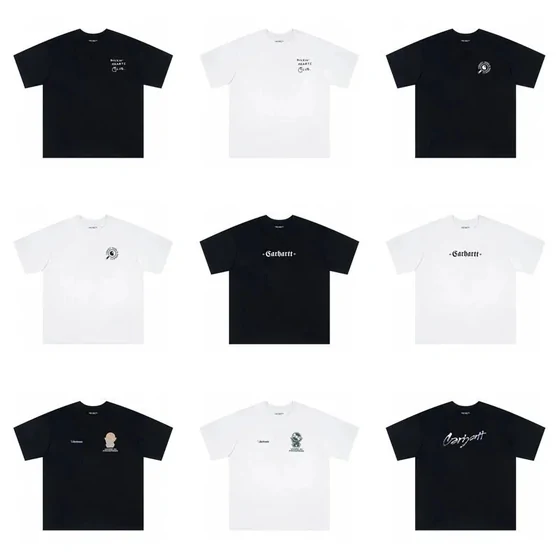
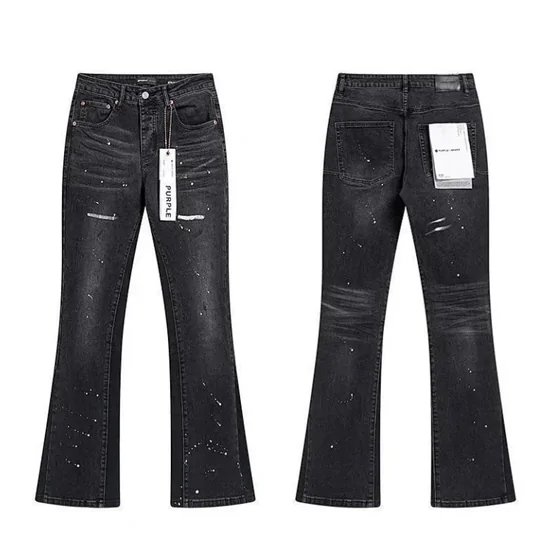
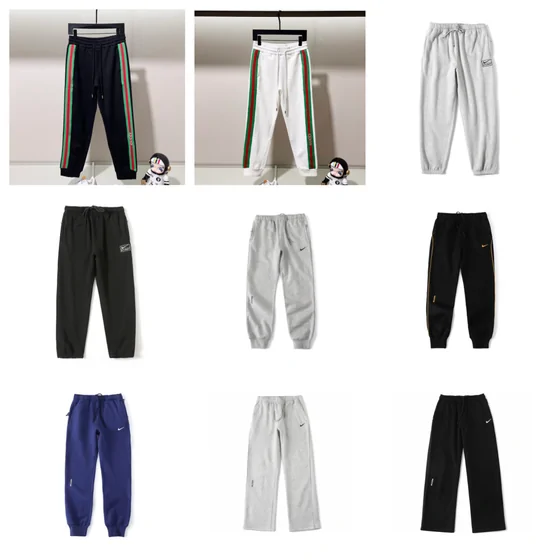
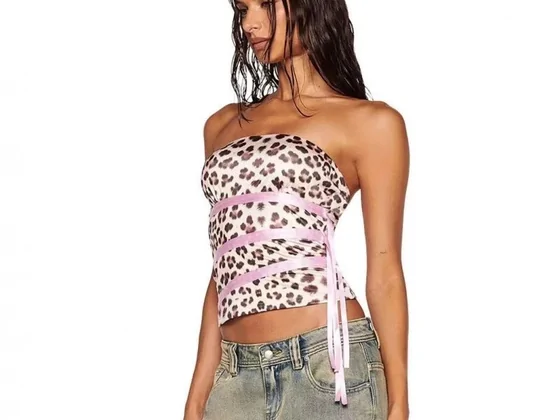
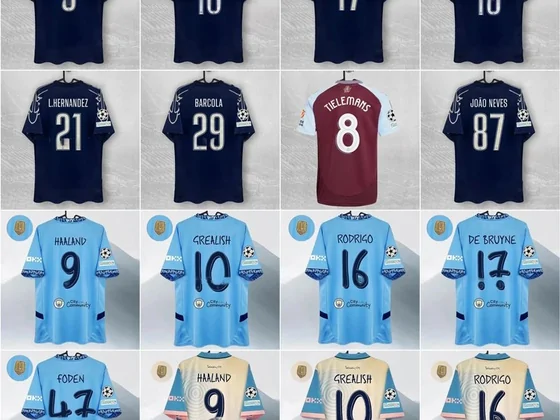
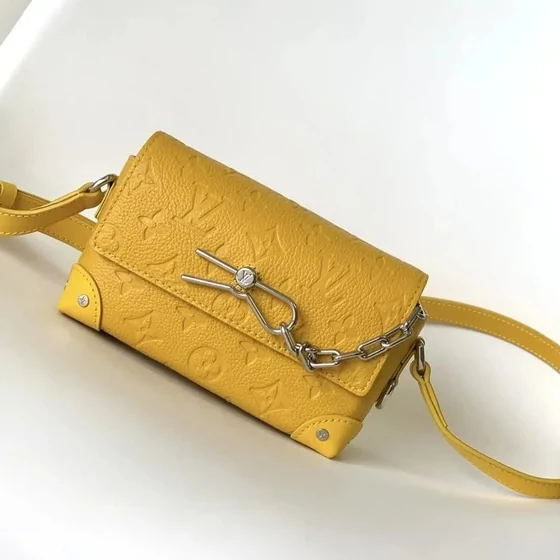
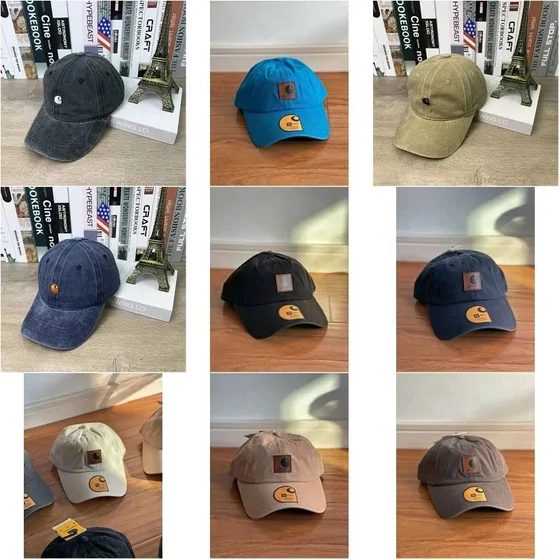
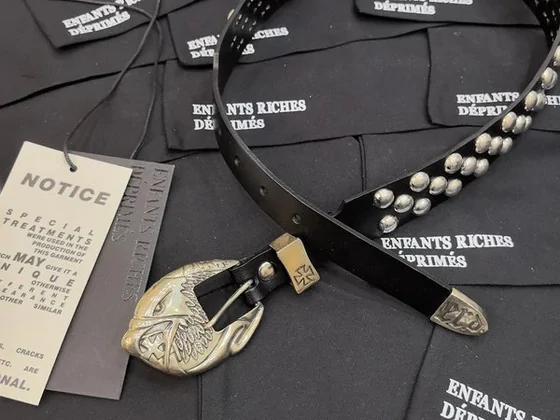
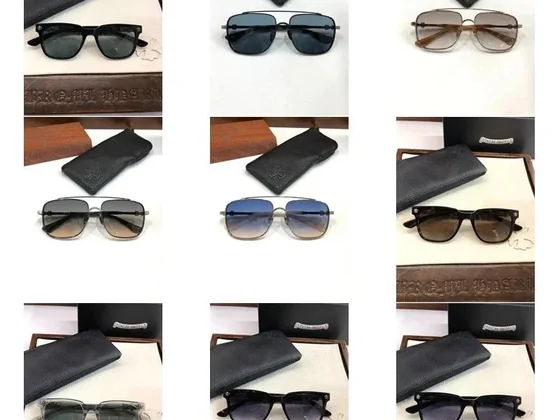
More category choices and listing checks
The other eight shelves hold goods where a logo or a box is part of the product, so they are listed here as text. The labels still apply, and on these shelves damaged packaging and display wear tend to matter more than on clothing.
- SneakersBoxed goods: 包装破损 and 压盒 matter here, and a crushed box can mean a creased toe.
- BagsDisplay pieces are common on bag listings; look for scuffed corners and a missing dust bag.
- BeltsShop-floor belts show wear at the first holes, where they were tried on.
- WatchesA 展示品 watch may have desk scratches on the clasp; ask for a photo of the back.
- Perfume外盒破损 on perfume is mostly about the box; ask whether the seal and sprayer are untouched.
- EyewearDisplay frames can carry hinge wear and lens scratches from being tried on.
- JerseysOlder stock jerseys can have printed numbers that turned tacky in storage.
- Electronics样机 is the electronics word for a demo unit; ask how long it ran on display.
Finding the label when the listing is in Chinese
Catalog titles are written in English, and a markdown reason rarely survives that translation. On the original listing, look in three places in order. The title first: reason words usually sit near the start or the end, sometimes in brackets, such as 【瑕疵】 or 断码清仓. The option menu second: a single option may carry 微瑕 or 样衣 while the others do not. The detail images third: sellers often put a flaw photo or a size note as one of the first long images.
If your browser translates the page, keep the Chinese visible too. Automatic translation turns 样衣 into "sample" and 孤品 into anything from "orphan" to "unique product", which loses the distinction this site is built on.